


-

Add: HeBei ShengShi HongBang Cellulose Technology CO.,LTD.
-

Email
13180486930@163.com -

CONTACT US
+86 13180486930
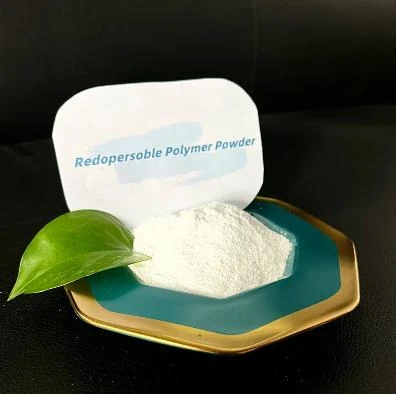
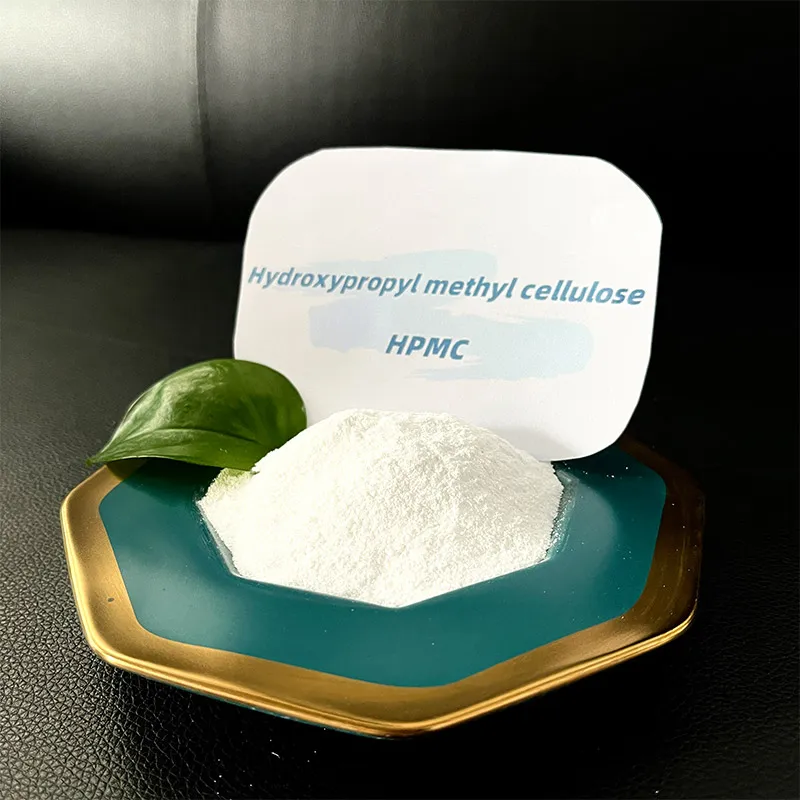
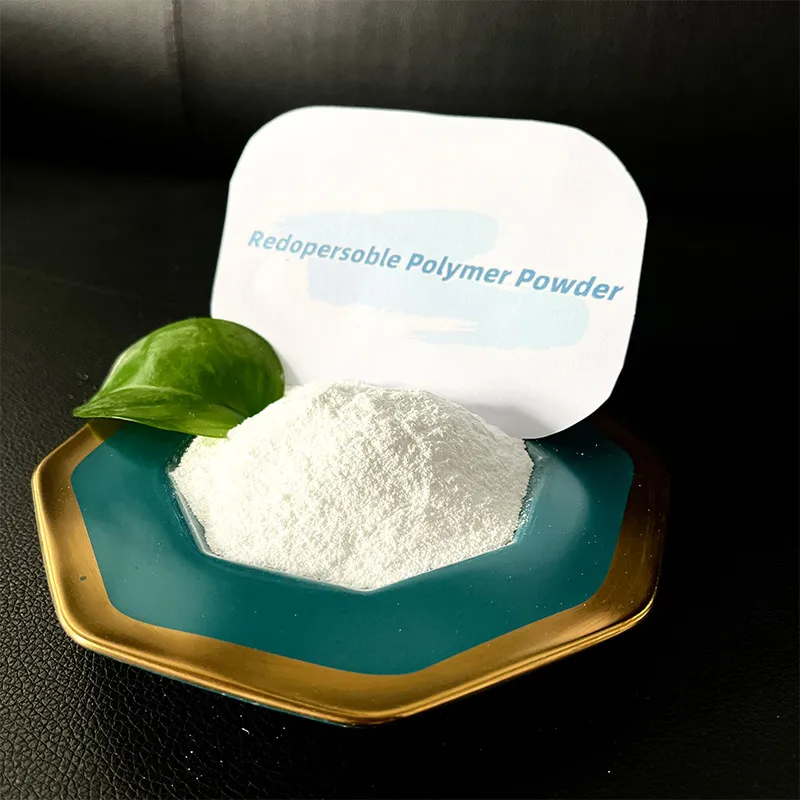




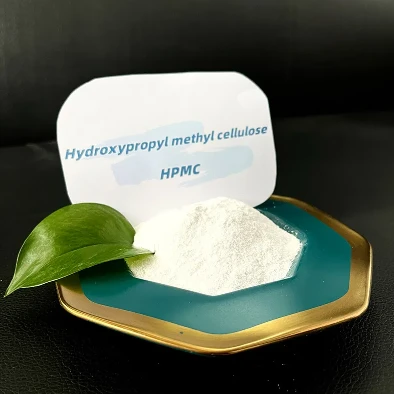
Hydroxypropyl methylcellulose (HPMC) is a multi-functional polymer that garners extensive attention across various industries due to its impressive solubility characteristics in water and a wide array of applications. As an industry veteran with years of firsthand experience, I have witnessed how the solubility of HPMC in water significantly enhances product performance, making it a go-to choice for formulators. To understand HPMC's solubility in water, it is crucial to first delve into its chemical structure. HPMC is a non-ionic cellulose ether derived from alkali cellulose through a reaction with methyl chloride and propylene oxide. This distinctive structure is pivotal to its solubility. When HPMC is dispersed in cold water, it hydrates and swells rapidly, forming clear solutions or gels depending on the temperature and concentration. Its solubility in cold water renders it highly versatile, allowing it to be utilized in various dosages and applications. One factor that influences HPMC’s solubility is the degree of substitution (DS) and the molar substitution (MS). A higher degree of substitution results in more hydrophobic methoxy and hydroxypropyl groups on the cellulose backbone, enhancing its water solubility. Industrial applications leverage this property by selecting HPMC grades with optimal DS and MS to tailor performance for specific requirements. For instance, in the pharmaceutical domain, this characteristic is essential for controlled drug delivery systems, where HPMC acts as a rate-controlling agent. Temperature plays a significant role in the solubility dynamics of HPMC. Known for its reversible thermal gelation properties, HPMC will dissolve in cold water but can precipitate out of solution when exposed to rising temperatures, exhibiting gel formation. This unique property is expertly harnessed in construction applications, where HPMC is utilized to improve the water retention and workability of cement-based materials. Mastery of this thermoreversible behavior allows product developers to fine-tune formulations for enhanced efficiency and performance reliability. hpmc solubility in water My professional involvement with HPMC spans a broad spectrum of industries. In personal care products, its water solubility is an asset in formulating non-sticky lotions and creams that offer consistent viscosity over a range of temperatures. In the food industry, as a thickener or stabilizer, HPMC promises uniformity and stability, maintaining product integrity under varying storage conditions. The transparency and viscosity of HPMC solutions make them ideal for eye drops and other ophthalmic preparations, where clarity and uniform distribution of active ingredients are paramount. Despite its advantages, HPMC’s solubility in water poses challenges . For instance, incorrect dispersion can lead to clumping, which compromises the efficiency and clarity of solutions. Through my experience, I recommend the gradual addition of HPMC to the vortex of a well-stirred cold water solution to prevent lump formation. This method ensures even hydration and dissolution, maximizing the functional benefits of HPMC for the intended application. Regulatory compliance and product consistency are of utmost importance in any formulation involving HPMC. Adherence to standards set by bodies such as the U.S. Pharmacopeia (USP) fortifies the trustworthiness of HPMC-based products, providing assurance that they meet safety and efficacy benchmarks essential for consumer confidence. In conclusion, the solubility of HPMC in water is a defining feature that enhances its application potential across industries. By leveraging its unique properties, formulators can innovate and produce high-performance products with the reliability and efficacy that modern consumers demand. By sharing my expertise and insights, I aim to empower industry professionals to make informed decisions that capitalize on HPMC’s immense capabilities.
- 40000tons

Production
- 20+years

Experience
- 5000+㎡

Acreage

-
Rubber powder —the micronized particles produced from waste or virgin rubber—has emerged as an essential raw material across numerous industrial sectors. Key advantages such as environmental sustainability, versatility, and significant cost savings have rapidly enhanced its adoption. This guide navigates the current trends, rubber powder uses , rubber powder price evolution, technological specifications, leading vendors, and showcases detailed insights into product lines including the latest Rubber powder-821 . Access the official Rubber powder-821 here . Rubber Powder in High-Performance Coatings What is Rubber Powder? Grades, Sizes, and Specifications Rubber powder is produced by grinding rubber waste (tyres, industrial scrap, nitrile, SBR, etc.) into fine particles, typically ranging from 80 mesh (180 μm) to ultra-fine grades >200 mesh (75 μm or finer). The product may include nitrile rubber powder for oil resistance, rubber anti tack powder for improved processing, and talc powder for rubber as a compounding aid. Depending on origin and process ( cryogenic grinding, ambient milling, water-jet micronization ), rubber powder is categorized by particle morphology, purity, and technical indices such as ash content, bulk density, and surface area. Certification to ISO 9001:2015 and ANSI/ASTM D5603 is now standard for reputable manufacturers. Fully Automated Rubber Powder Production Line Industry Trends: Rubber Powder Uses & Market Outlook Application Key Performance Requirements Rubber Powder Grade Market Share (2023, %) Tire Manufacturing High tensile strength, abrasion resistance Fine rubber powder, 80–120 mesh 41.2 Rubber Coatings & Sealants Adhesion, flexibility, water/chemical resistance Ultra-fine, surface-treated 18.7 Plastics Modification Compounding efficiency, modulus enhancement Nitrile rubber powder, SBR types 12.4 Construction Materials Durability, anti-slip, impact resistance Fine & coarse blends 11.3 Road Asphalt & Bitumen Modifier Improved elasticity, rut-resistance 80 mesh rubber powder 9.4 Others (Animal Mats, Anti-vibration Pads, Sport Fields) Elasticity, shock absorption Coarse/fine blend 7.0 Manufacturing Process: Rubber Powder Uses Production Workflow Raw Material Selection (Tyre Scrap, Nitrile, SBR, etc.) ➜ Pre-Shredding (Mechanical cutting) ➜ Cryogenic/Ambient Milling (Powdering to 80–200 mesh) ➜ Magnetic Separation (Remove metals) ➜ Particle Classification (Sieve, Air Separator) ➜ Surface Treatment (Anti-tack, Blending, Additive) ➜ Packing & QC (ISO/ANSI Test) Key standards: ISO 9001:2015 (Quality Management), ASTM D5603 ; Typical industry lifespans for fine rubber powder coating : 8–15 years (in situ). Explore detailed production technology for rubber powder uses Fine Rubber Powder in High-Elastic Applications Rubber Powder-821 : Technical Specifications & Performance Rubber powder-821 is produced through advanced cryogenic separation, offering exceptional uniformity and stable particle morphology suitable for high-end engineering and polymer compounding applications. Material: 100% high-quality reclaimed SBR/Nitrile, ISO 9001:2015 certified Particle Size: 80–150 mesh (≤180–106 μm) Purity: ≥99% (low ash content <0.75%) Bulk Density: 0.38–0.51 g/cm³ Surface Treatment: Anti-tack proprietary blend Color: Deep black or customer-defined via custom formula Compliance: ISO 9001:2015, ASTM D5603, RoHS/FDA on request Service Life: 10–16 years (typical in coatings, asphalt, plastics) Rubber Powder Price & Grade Comparison Technical Parameter Table: Rubber Powder-821 Parameter Rubber Powder-821 Standard Rubber Powder Nitrile Rubber Powder Particle Size (mesh) 80–150 mesh 60–100 mesh 100–200 mesh Purity (%) ≥99.0 95.0–97.0 ≥98.5 Ash Content (%) <0.75 <1.6 <0.8 Bulk Density (g/cm³) 0.38–0.51 0.34–0.45 0.40–0.53 Elongation at Break (%) >320 250–310 >300 Surface Treatment Anti-tack, Customized Talc (optional) None/Custom Compliance ISO, ASTM, RoHS, FDA* ISO, ASTM ISO, ASTM, RoHS* Rubber Powder Price Analysis (2024) Rubber powder price is determined by feedstock source, mesh size, purity, and treatment (anti-tack, talc-coated, etc.). Typical ex-factory price (June 2024): $490–$850/MT for 100 mesh general grade; $950–$1150/MT for nitrile/fine powder specialties. Notably, certified grades for food contact or medical compounding command a 20-45% premium. Vendor Comparison: Leading Rubber Powder Production Line Manufacturers Manufacturer Key Product Line Strengths Certification Lead Time SSH Chemical (China) Rubber powder-821, Fine/Nitrile grades High purity, Custom surface, ISO/ASTM tested ISO 9001, FDA/RoHS* 7–20 days RubberGreen (France) EcoRub 110–140 mesh EU reach, BREEAM building certifications ISO 9001, BREEAM 15–30 days GENAN (Denmark) Superfine, Asphalt Modifier Global sourcing, Recycling focus ISO 14001, ISO 9001 10–28 days ADEKA (Japan) Nitrile Rubber Powder lines Automotive, Electronic uses ISO 9001, RoHS 21–35 days Customization & OEM Solutions Leading factories provide tailor-made rubber powder production line setups: mesh/fineness, surface-blending (talc powder for rubber, bio anti-tack agents), color, and bulk packaging according to application sector—be it petrochemical, water treatment, anti-slip floors or high-resistance road asphalts. Consult with SSH’s engineering team for engineered rubber powder uses OEM solutions . Application Case Study: Eco-Asphalt Reinforcement (Brazil 2023) Objective: Improve rutting resistance in tropical road surfaces. Implementation: SSH Rubber powder-821 5% (w/w) blended in polymer modified asphalt. Result: 26.7% reduction in rut depth after 30,000 load cycles (vs. control); 19% improvement in elastic modulus. Confirmed by ASTM D412 and ISO 37:2017 tests. Client Feedback: “Exceptional long-term flexibility and cost savings. After 18 months, virtually no surface fatigue.” For custom formulation support, refer to SSH technical team . Rubber Anti Tack Powder: Surface Performance Technical Advantages of Rubber Powder Uses Solutions Resource Circularity: 1 ton of rubber powder reduces landfill by 400kg, cuts carbon dioxide emissions by 510kg (source: ETRA Europe). Performance Boost: Up to 22% tensile strength gain in thermoplastic composites using nitrile rubber powder (Journal of Polymers, 2023). Cost Efficiency: Typical material cost saving: $120–$280/MT vs. virgin rubber/synthetic alternatives. Customization: Tailored granulation and surface chemistry to fit diverse rubber powder uses in coatings, plastics, roadways, and more. Regulatory Compliance: Products tested to ISO, ASTM, FDA, RoHS for chemical safety and international trade acceptance. Global Application: Real-World Feedback Petrochemical plants use SSH Rubber powder-821 for gaskets and seals, reporting a 35% improvement in lifecycle due to enhanced anti-aging properties (Client: CNPC, 2023). Water utility companies benefit from anti-corrosion linings, with a 14-year service record & zero failures in treated pipelines (Singapore PUB, ref.). Automotive factories deploy fine rubber powder for NVH (noise, vibration, harshness) reduction, credited by ISO/TS 16949 auditors. FAQs: Rubber Powder Uses Expertise & Application Guidance Frequently Asked Technical Questions 1. What raw materials are suitable for rubber powder production line ? Crumb rubber from end-of-life tires (ELTs), SBR, NBR, EPDM scrap, and select virgin compounds. For specialty nitrile rubber powder , high acrylonitrile NBR is used. 2. What is the typical particle size for high-value rubber powder uses ? Coatings and plastics prefer 80–150 mesh fine powder. Asphalt and construction: 30–80 mesh. Ultra-fine uses (200+ mesh) enable smooth compounding in adhesives. 3. How does rubber anti tack powder optimize processing? It prevents agglomeration during transport/storage and eases blending in high-shear mixers. Anti-tack agents may be food-safe (FDA compliant) per application. 4. Can talc powder for rubber be used in all compound types? Talc acts as a processing aid mainly in SBR/NBR formulations, improving flow and compatibility but is not always necessary for EPDM or pure synthetic applications. 5. What installation/compatibility standards apply to rubber powder uses in construction? Testing follows ASTM C117 (particle size), EN 13108-9 (bituminous mixes), and ISO 37 for mechanical performance. Compounds must pass local building/construction codes. 6. What quality tests do reputable factories conduct? ISO 9001:2015 process audits, ASTM D412 (tensile), EN 1279 (thermal aging), RoHS and, for food/health markets, FDA migration and contamination assays. 7. What is the expected delivery time and warranty for Rubber powder-821 ? Standard lead time: 9–18 days for Rubber powder-821 . Quality warranty minimum 18 months. Extended application support is available. Ordering, Delivery, and Customer Service Commitment MOQ: 500kg per grade (customizable for R&D). Lead time: 9–18 days typically; Expedited options for certified customers. Warranty: 18–24 months standard. Product traceability per ISO. After-sales service: Application guidance, test report provision, claim response within 72 hours (100+ international customers supported). Summary & Industry References Rubber powder uses are fast-evolving within global industries, supporting a spectrum of applications from infrastructure to advanced polymers. Preference for high-spec products like Rubber powder-821 is steered by performance, regulatory compliance, and lifecycle economy. With continued R&D and sustainable engineering, such materials will be critical for circular economy goals and technical innovation. Industry References & Further Reading: - Journal of Cleaner Production: "Recycled Rubber Powders in Bituminous Applications — Life Cycle Analysis" (2023) - European Tyre Recycling Association — Rubber Powder Applications - SpecialChem Polymer Additives: Rubber Powder as Compounding Additive Discover solutions tailored to your project: Contact SSH Rubber Powder Team →
-
Polypropylene fiber is a versatile, durable material that is used in a variety of applications across multiple industries. Known for its excellent resistance to wear, moisture, and chemicals, polypropylene fiber provides strength, flexibility, and longevity to the products it’s used in. Whether you're in the construction, textile, or automotive industry, polypropylene fiber can improve the overall quality of your products. From reinforcing concrete to enhancing fabric durability, polypropylene fiber is the perfect solution for creating high-performance, long-lasting materials. Discover the benefits of polypropylene fiber and see how it can elevate your product offerings. Explore the Many Polypropylene Fiber Uses in Various Industries Polypropylene fiber uses are wide-ranging and highly valuable across many sectors. In the construction industry, polypropylene fiber is often used to reinforce concrete, improving its tensile strength and reducing the likelihood of cracks. This type of fiber also helps prevent shrinkage and enhances the durability of the material. Polypropylene fiber uses extend to textiles, where it is used in carpets, upholstery, and clothing due to its ability to resist moisture and stains. The automotive industry also benefits from polypropylene fiber , which is used in interior parts and insulation materials. By incorporating polypropylene fiber into your products, you can enhance their performance, durability, and overall quality. Get the Best Polypropylene Fiber Price for Your Needs When sourcing polypropylene fiber , understanding the polypropylene fiber price is key to maintaining your budget while ensuring top quality. The polypropylene fiber price varies based on factors such as the type of fiber, quantity, and specific application. However, we offer highly competitive prices that allow you to get the best value for your investment. Whether you're purchasing in bulk or small quantities, our pricing is designed to meet your needs without compromising on quality. We aim to provide affordable, high-performance polypropylene fiber that delivers exceptional results for your business. Contact us today to learn more about polypropylene fiber price and how we can help you save on your next order. Work with Trusted Polypropylene Fiber Suppliers for Consistent Quality Choosing the right polypropylene fiber suppliers is essential to ensuring that you receive a reliable, high-quality product. As one of the leading polypropylene fiber suppliers , we provide a wide range of polypropylene fiber s tailored to various applications. Our fibers are produced using advanced technologies and undergo stringent quality control to ensure consistency and performance. We understand the importance of delivering products that meet your specifications, which is why we work closely with you to offer customized solutions that suit your needs. Partner with us as your trusted polypropylene fiber suppliers and benefit from our reliable service, fast shipping, and top-tier products. Why Choose Us for Your Polypropylene Fiber Needs? When it comes to sourcing polypropylene fiber , we are your go-to partner for reliable, high-performance products at the best polypropylene fiber price . As experienced polypropylene fiber suppliers , we offer a wide range of products for diverse industries such as construction, textiles, and automotive. Our commitment to quality, customer satisfaction, and competitive pricing sets us apart from the competition. Whether you need polypropylene fiber for a large-scale project or a smaller specialized order, we have the expertise and resources to meet your needs. Choose us for all your polypropylene fiber requirements and experience unmatched quality and service.
advantages
-

200000 Viscosities
Excellent product
We can produce pure products up to 200,000 viscosities
-

40000 tons
High yield
We don’t stop production all year round, and the annual output can reach 40,000 tons
-

24 hours
Quality service
We provide 24-hours online reception service, welcome to consult at any time
———— Inquiry Form
Schedule A services

-
 hydroxypropyl_methylcellulose_uses
Oct . 25, 2025
Finding the right HPMC (hydroxypropyl methylcellulose) eye drops can make a significant difference i -
 matumizi_ya_nyuzi_za_polypropen
Oct . 25, 2025
Hemp polypropylene is rapidly gaining traction in the materials industry as an innovative and sustai -
 masilla_de_celulosa_para_madera
Oct . 25, 2025
Polypropylene fibers have emerged as a revolutionary material in the field of concrete enhancement,


